Queen's University MMAI "Marketing" Team Project

AI-Driven YouTube Ad Creative Analysis

Leveraging Google Video Intelligence for Enhanced Ad Effectiveness (Context: E-commerce Platforms like Shopify)

Date: July 5th, 2022

Overview & Business Challenge:

Recognizing that creative quality drives approximately 70% of advertising effectiveness, this project explored how AI can dissect and analyze YouTube ad creatives to uncover elements that boost performance. The core challenge was to move beyond subjective assessments and use data-driven insights to understand and optimize ad creative for platforms like Shopify, where meaningful connection and brand empowerment are key.
Approach & AI Technology Utilized:

  • Objective: To identify and quantify key visual and contextual elements within YouTube ad creatives and correlate them with advertising effectiveness metrics (e.g., view-through rates, engagement).
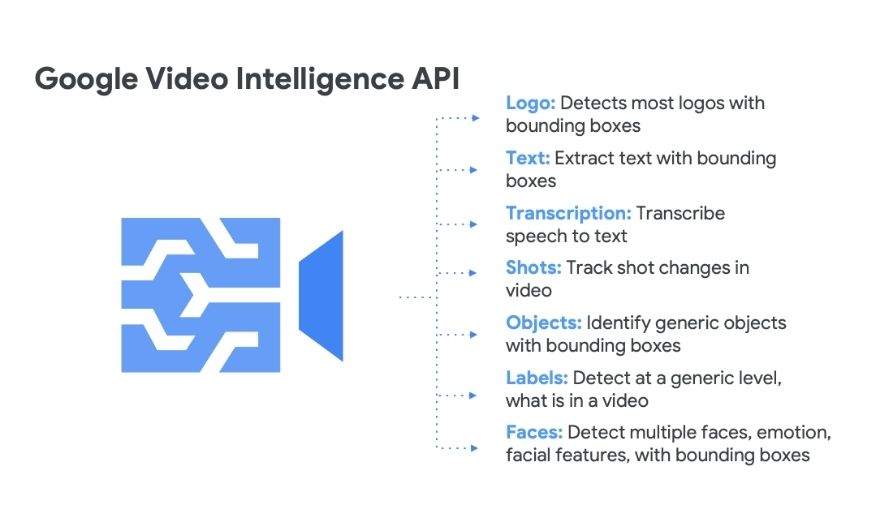
  • Core Technology: Google Cloud Video Intelligence API
    • Utilized the API to automatically annotate video ad creatives, extracting rich metadata at various levels (entire video, per segment, shot, and frame).
    • This allowed for the identification and timestamping of elements such as:
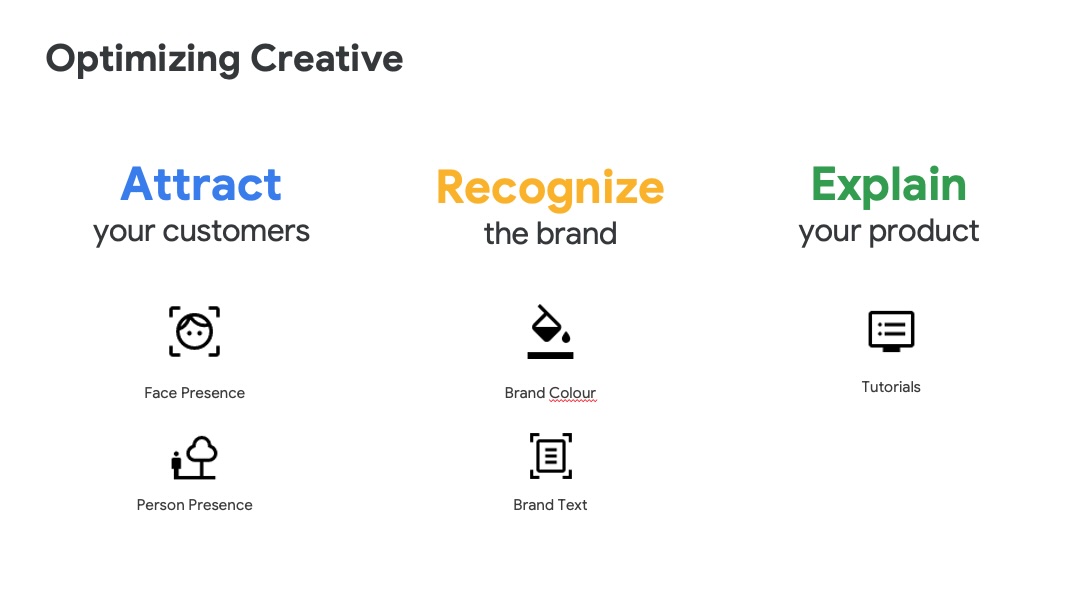
      • Presence and duration of human faces .
      • Dominance of brand colors.
      • Product demonstrations or tutorials .
      • Object and scene recognition .
  • Data-Driven Hypothesis Testing:
    • Formulated hypotheses based on established marketing research (e.g., impact of faces, brand colors, product demos on ad performance).
    • The structured data extracted by the Video Intelligence API provided the quantitative basis to validate these hypotheses and estimate optimal presence/duration of key creative components.
  • Methodology:
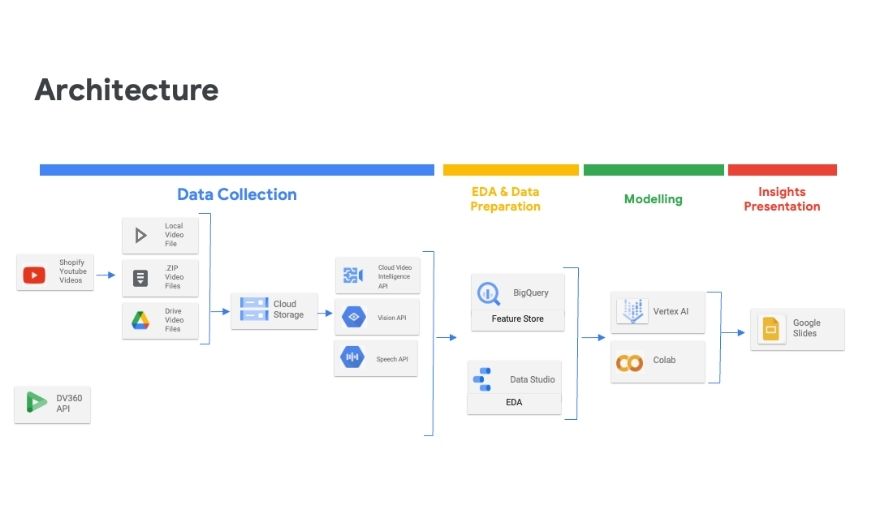
      1. Creative Ingestion: Sourcing YouTube ad creatives relevant to e-commerce.
      2. AI-Powered Annotation: Processing videos through Google Cloud Video Intelligence API.
      3. Data Structuring & Analysis: Organizing the extracted metadata (e.g., in BigQuery ) and joining it with available ad performance data.
      4. Insight Generation: Identifying patterns and correlations between specific creative elements and ad effectiveness.

Key Insights & Strategic Implications (Based on Hypotheses):

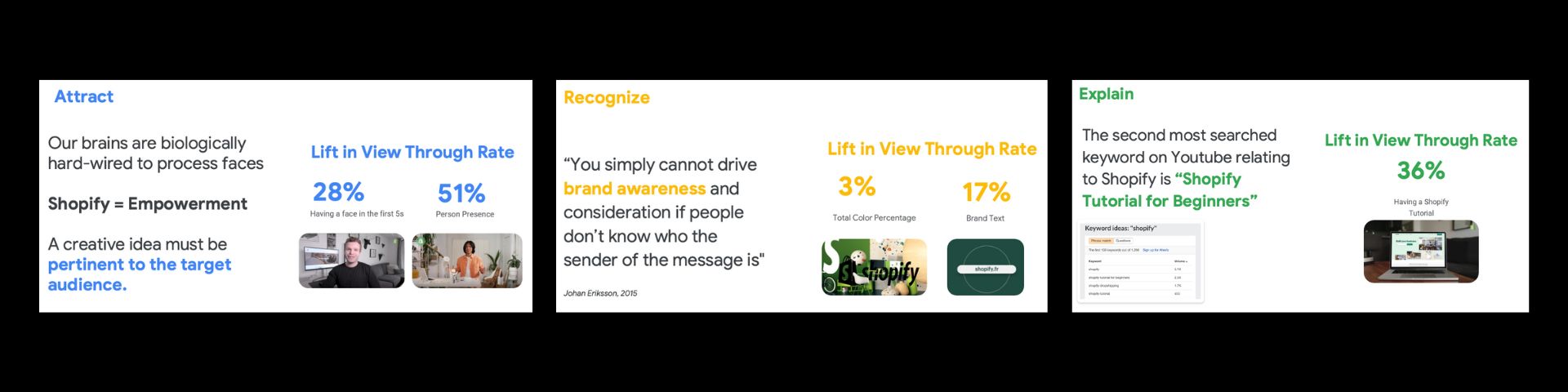
  • Quantified the impact of specific visual elements (e.g., human faces consistently attracting more attention ).
  • Provided data to optimize the timing and prominence of branding elements for improved recognition.
  • Offered insights into structuring product demonstrations within ads for maximum impact on engagement and potential sales conversion .
  • The goal was to enable a shift towards data-informed creative strategies, ensuring ads are not just visually appealing but also resonate meaningfully with target audiences, aligning with principles like Shopify’s focus on empowerment and relevance .

Scalability & Future Considerations:

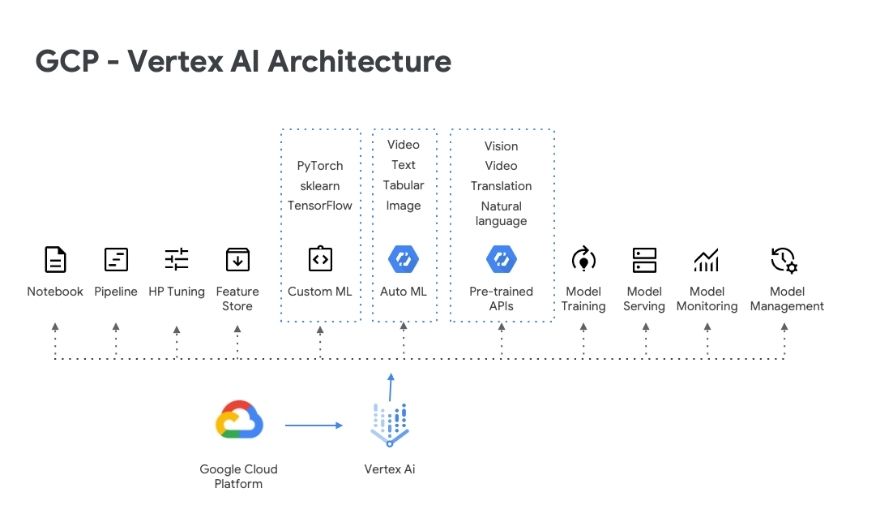
The framework considered scalability by leveraging Google Cloud Platform tools for data pipelines, storage (GCS, BigQuery), and potential ML model deployment (Vertex AI) . Ethical considerations and the importance of coupling AI insights with human intuition and brand strategy were also key.

Key AI Concepts & Technologies Applied:

  • AI-Powered Video Analysis: Google Cloud Video Intelligence API .
  • Machine Learning (Conceptual/Applied): Data analysis to find correlations; potential for predictive modeling of creative performance.
  • Computer Vision: Object, scene, face, and label detection in video.
  • Big Data & Analytics: Processing and analyzing large volumes of video metadata and performance data.
  • Cloud Computing: Utilizing Google Cloud Platform for scalable processing and storage.